

Packaging
Global packaging and foodservice material markets remain under intense cost pressure as the Middle East conflict continues to disrupt energy, freight and raw material supply chains. Escalation around the Strait of Hormuz has driven sharp increases in oil, gas, insurance and logistics costs, feeding directly into pulp, paper, polymers and aluminium pricing.
Pulp markets face a tightening supply backdrop due to delayed capacity expansions, mill downtime and structural closures, alongside higher energy, wood and chemical costs.
Polymer markets (PE, PVC, PS, ABS and EVA) are firm to sharply higher across Europe, Asia and Africa, supported by rising feedstock costs, limited availability and widespread pre-buying as buyers seek to secure near-term supply.
Aluminium prices have reached four-year highs following smelter disruptions, shipping restrictions and sharply declining global inventories, translating into significant foil cost inflation. Overall, markets are characterised by volatility, short quote validity, constrained prompt availability and sustained inflationary pressure, reinforcing the need for price recovery to maintain supply continuity.


Wheat
Global wheat markets remained subdued in April, with negative sentiment dominating despite ongoing geopolitical risks. A temporary easing of tensions involving the US, Iran and the Black Sea weighed on energy prices, easing inflationary pressure on grains, although the underlying risk around the Strait of Hormuz remains high. Fundamentally, global supply looks comfortable. Improved rainfall across the US Plains has reduced drought concerns, adding further pressure, although crop conditions remain historically poor. Demand has been steady but cautious, with routine tender activity and no evidence of panic buying. As a result, prices have drifted lower and largely tracked movements in oil markets. Short-term expectations are for sideways to weaker price action, while the medium-term outlook remains more volatile, with weather risks and geopolitics capable of triggering sudden rallies later in the season.
Cold Water Prawns
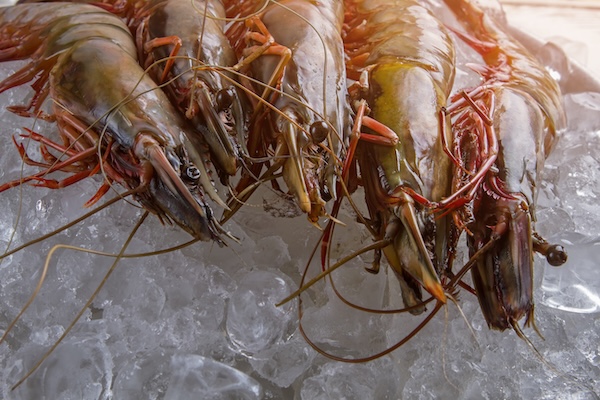
Coldwater prawn prices are not expected to decline, with availability remaining tight well into 2026. Coldwater prawn availability is highly cyclical, and following an exceptionally strong 2024, 2025 has seen a sharp correction, with catch volumes among the lowest in decades. Catch volumes fell by approximately 30% in the Barents Sea, with materially lower Greenland catches, as underperformance during the critical summer season limited raw material supply. Scientifically driven quota reductions for 2025 and 2026, exceeding 30% in the Barents Sea and reaching zero in some Icelandic areas, will continue to restrict supply. Even if biomass improves, 2026 is unlikely to normalise, with low availability and elevated prices persisting. Supply constraints and sustained high prices are increasingly shifting demand toward warm water alternatives.

Olive Oil
The olive oil market remains tight, with overall European supply still constrained despite some regional improvements. Spain’s crop is slightly below earlier expectations and sales remain strong, limiting available stock and supporting firmer prices. Italy has seen a production rebound, but weak demand and rising source prices are creating mixed price signals. Tunisia is the standout supplier this season, recording an exceptionally large harvest, which is helping to offset shortages elsewhere and ease some pressure on availability. Greece and Morocco both finished below forecast, while Portugal remains stable with good-quality oil. Overall, prices are expected to stay volatile but supported, with growing attention now shifting to the 2026/27 crop, where spring conditions in April-May will be critical in shaping next season’s supply and pricing outlook.
Wheat
Global wheat markets remained subdued in April, with negative sentiment dominating despite ongoing geopolitical risks. A temporary easing of tensions involving the US, Iran and the Black Sea weighed on energy prices, easing inflationary pressure on grains, although the underlying risk around the Strait of Hormuz remains high. Fundamentally, global supply looks comfortable. Improved rainfall across the US Plains has reduced drought concerns, adding further pressure, although crop conditions remain historically poor. Demand has been steady but cautious, with routine tender activity and no evidence of panic buying. As a result, prices have drifted lower and largely tracked movements in oil markets. Short-term expectations are for sideways to weaker price action, while the medium-term outlook remains more volatile, with weather risks and geopolitics capable of triggering sudden rallies later in the season.
Potatoes
EU sheep prices have started 2026 strongly, supported by tight supply and steady consumer demand, despite higher retail prices. Production fell in 2025 due to disease, weather, and policy pressures, and is expected to decline further, keeping the market firm. As a result, the EU is becoming more reliant on imports, particularly from New Zealand and Australia, while exports have also grown, though shipments to the UK have dropped. For the UK, this creates an opportunity to supply into a tighter EU market, but with rising competition and ongoing trade and disease-related complexities. Strong prices and increased EU import demand open export potential for UK lamb, supporting higher revenues, but also drive higher domestic purchase costs, squeezing margins. Greater reliance on imports into the EU, especially from New Zealand and Australia, means increased competition, while falling EU exports to the UK could tighten local availability further. Ongoing disease risks, trade frictions, and compliance requirements add complexity; there is a need to manage sourcing carefully, secure supply contracts, and stay agile on pricing to balance margin and availability.
Dairy
The dairy market in April shows signs of cautious stabilisation following a short period of sentiment-led firmness. While geopolitical tensions briefly influenced prices, underlying fundamentals remain largely unchanged. Milk supply remains high, with volumes around 2% above last year and global production exceeding 850 million litres per day. Processors are operating at or near full capacity, limiting the market’s ability to absorb additional supply. Prices remain low but broadly stable. The milk-to-feed price ratio has begun to rebalance toward more typical levels as feed costs rise, though overall cost pressures persist. Mature Cheddar stocks are tight, offering some price support, but wider dairy demand has softened as buyers pause after earlier bullish activity. Looking ahead, forecasts still underestimate the potential impact of the Strait of Hormuz disruption, rising energy costs and inflation. These factors are expected to push input costs higher, leaving the market outwardly steady but increasingly exposed to economic and geopolitical risk.

Tomatoes
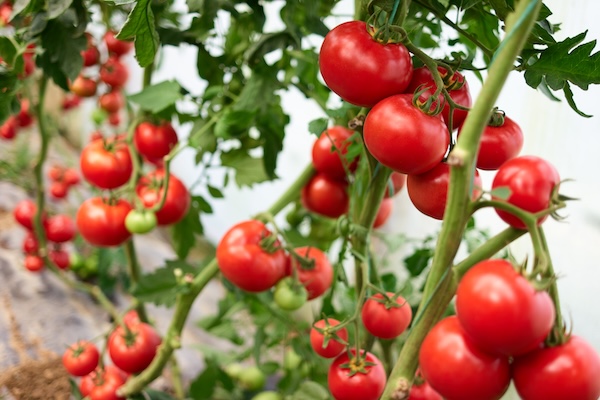
Global tomato processing volumes for 2026 are forecast at 43.6 million tonnes, a 1.6% year-on-year decline, reflecting tighter supply conditions across both hemispheres. Northern Hemisphere production is estimated at 40.6 million tonnes (-0.8%), with notable reductions in Italy, France, Greece, and Hungary, partially offset by increases in Spain, Turkey, China, and Ukraine. Italy remains the world’s largest processor, though volumes are slightly below 2025 levels. Overall, reduced global availability is expected to support firm pricing into Q2, particularly for paste and concentrated products, as inventories tighten and buyers adopt a more cautious procurement strategy.