
Fuel
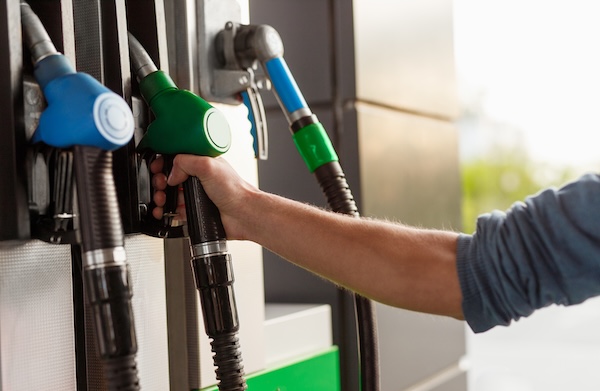
Economic consequences are already being felt. The fuel prices across the UK and Europe have surged sharply since the Iran conflict began, driven by disrupted oil flows and volatility in global energy markets. Food prices are beginning to feel indirect pressure, but the full impact on grocery costs is still developing. Brent crude has risen from around $70 to over $100 per barrel in recent weeks. This has pushed UK petrol and diesel prices up. UK unleaded has climbed to 147–150p per litre, while diesel has reached 171p+, with forecasts suggesting further rises as wholesale costs feed through. Europe faces similar pressures with supply chain disruption. Farmers have reported large increases on the cost of fertilisers with rising ammonia prices, posing a risk to crop yields, which may push food prices higher in the coming months.
Freight
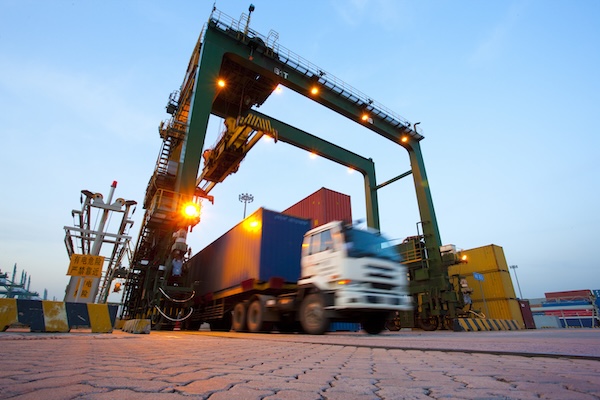
The import and export trends show UK wholesalers adapting to a more complex, volatile international trade environment by trading smarter. This includes shifting toward shorter, more reliable supply chains (UK + Europe), reducing dependency on single countries or routes, managing currency and freight volatility through better buying strategies including group purchasing, increasing focus on compliance and documentation accuracy. Those that invest in supplier diversification, cost control, and compliance capability are better positioned to protect margins, reduce risk, and grow. The UK freight and logistics market remains under pressure from high costs and geopolitical uncertainty. Ongoing changes like consolidation, increased use of 3PL providers, and technology adoption are reshaping the sector, while risks such as fuel volatility and cargo theft persist. For wholesalers, success depends on building resilience through better cost control, smarter inventory, diversified sourcing, and stronger logistics partnerships.
Interest Rates
Unlikely to be cut, the Bank of England Monetary Policy Committee announced on 19th March that it has left its main interest rate unchanged at 3.75%. MPC was expected to reduce rates prior to the Middle East conflict, with inflation expected to fall to the 2% target. MPC now says they will monitor developments, with potential knock-on effects coming from higher energy prices, which could see businesses raising prices due to higher costs and / or workers asking for higher wages because of higher prices, where inflationary pressures remain.

Olive Oil
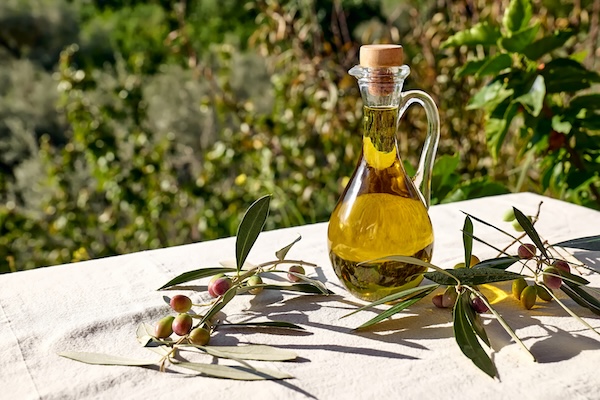
EVO demand has been good, and this trend is expected to continue. EVO crop has seen growth in February by 2%, the market has reacted quickly on the figures of the Ministry of Agriculture, and many companies are taking positions and starting to buy to cover until after the summer. Demand will keep increasing, and at a certain point the market will react strongly and prices will jump up.
Wheat
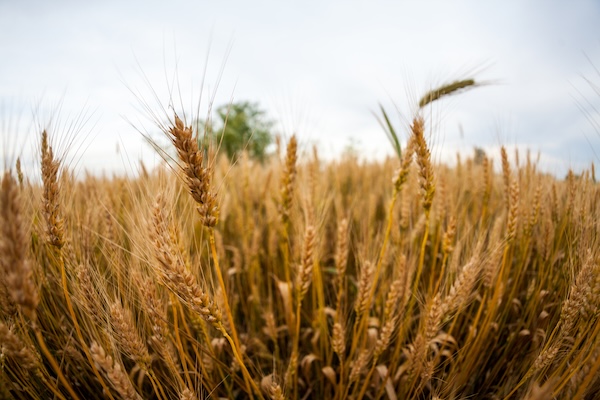
The UK wheat market is currently highly volatile, driven more by external pressures than tight supply. Disruptions to fertiliser production in the Middle East and rising input costs could reduce global crop planting or yields, creating bullish risks later in the year, even though current wheat supply remains comfortable. At the same time, higher oil prices are supporting broader agricultural markets through biofuel demand, while rising freight costs and trade disruptions are delaying shipments and increasing prices. Despite this, speculative traders remain heavily short on wheat, meaning any geopolitical risk could trigger sharp price spikes from short covering.

Lamb
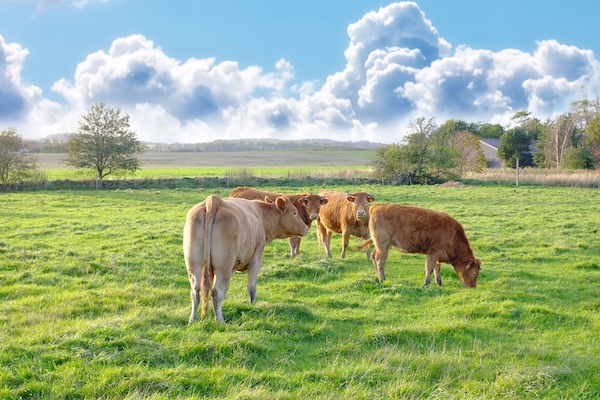
EU sheep prices have started 2026 strongly, supported by tight supply and steady consumer demand, despite higher retail prices. Production fell in 2025 due to disease, weather, and policy pressures, and is expected to decline further, keeping the market firm. As a result, the EU is becoming more reliant on imports, particularly from New Zealand and Australia, while exports have also grown, though shipments to the UK have dropped. For the UK, this creates an opportunity to supply into a tighter EU market, but with rising competition and ongoing trade and disease-related complexities. Strong prices and increased EU import demand open export potential for UK lamb, supporting higher revenues, but also drive higher domestic purchase costs, squeezing margins. Greater reliance on imports into the EU, especially from New Zealand and Australia, means increased competition, while falling EU exports to the UK could tighten local availability further. Ongoing disease risks, trade frictions, and compliance requirements add complexity; there is a need to manage sourcing carefully, secure supply contracts, and stay agile on pricing to balance margin and availability.
Dairy
The dairy market is strengthening, with prices rising and sentiment turning bullish as buyers increase activity amid geopolitical uncertainty. This is happening despite high milk production in the UK and Europe, as strong export demand and limited processing capacity are supporting prices. While the market is currently firm, uncertainty remains, with future direction largely dependent on how milk supply responds to lower farmgate prices. Global milk supply still unseasonably high with weekly reports of production outpacing manufacturing capabilities. The highest milk-to-feed price ratio in two decades has driven record-breaking milk production volumes. Global milk production currently (856.3m litres). Confirmation of Foot and Mouth Disease (FMD) in Cyprus, February 2026. The disease has been detected on 22 farms, with around 16,000 animals in total affected. May aff ect supplies of PDO halloumi but stocks are currently high.
Tomatoes
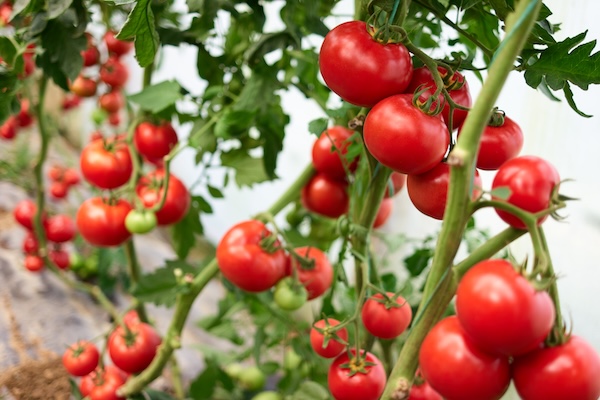
The EU tomato market is under pressure from a combination of strong global competition and internal challenges. Lower-cost imports, particularly in processed tomato products like paste, undercut EU producers who face higher production costs due to strict environmental, labour, and food safety standards. At the same time, climate change is affecting yields and increasing production risks within Europe. Because global prices are largely influenced by dominant suppliers such as the United States and China, EU producers have limited control over pricing, leading to reduced competitiveness, squeezed margins, and growing reliance on imports. This has raised concerns about the long-term sustainability of the EU tomato sector and prompted consideration of stricter trade and regulatory measures.