Fuel Costs
Petrol prices hit a new Iran war high just before the bank holiday, with the UK average rising to 158.52p per litre. This surpasses the previous peak of 158.31p recorded on 15th April, driven by oil remaining above $100 per barrel since late April. RAC wholesale analysis suggests unleaded could reach 160p per litre in the coming weeks unless oil prices fall sharply and consistently. Diesel presents a more mixed picture. Pump prices have dropped nearly 6p to 185.92p, the lowest level since early April, following a significant fall in wholesale costs. This latest surge comes as the Chancellor is reportedly considering scrapping September’s planned 1p fuel duty rise.

White Fish
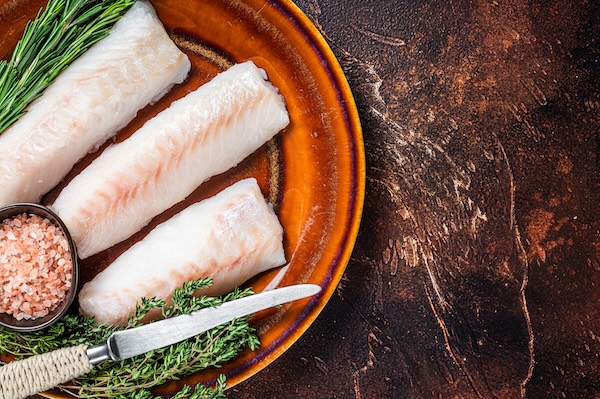
Whitefish raw material markets entered 2026 under intense upward price pressure, driven by tightening supply and aggressive year-on-year inflation across all major species. Norwegian Atlantic cod prices rose 47%, while Russian cod surged 51%, reflecting continued quota contraction and strong Chinese demand. Haddock followed a similar pattern: Norwegian H&G values climbed 43%, and Russian product increased 53%, marking one of the steepest annual rises in the sector. Pollock, despite being the only species with quota stability, also saw significant inflation. Russian H&G prices increased 59%, while US product jumped 61%, pushing both origins to multi-year highs. Across the complex, 2026 opens with a clear supply-driven market dynamic: falling availability, firm demand, and rapid price escalation. Buyers face a markedly higher cost base, with no immediate signs of relief as quota reductions and strong Asian pull-through continue to shape trading sentiment.
Dairy
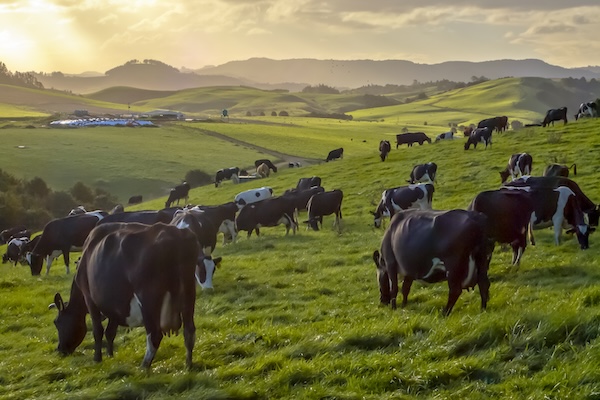
The dairy market is beginning to firm after a long period of stability, with milk prices showing early upward movement as supply gradually eases from the spring flush. Although production remains high, volumes are now tracking closer to last year, and the milk-to-feed ratio has rebalanced, offering some stability despite rising feed, fuel, fertiliser, and wage costs.
Mature Cheddar stocks are tightening, supporting a firmer tone, while UK Cheddar exports are up 2.7% and imports down 16%. Global milk production remains elevated, with notable increases across Ireland, the EU, the US, Australia, and New Zealand.
Commodity prices are forecast to rise 16% in 2026, and inflation may reach 4% by autumn, driven heavily by a projected 31% surge in fertiliser costs. Geopolitical uncertainty continues to cloud the outlook, but the overall direction suggests strengthening prices and increasing cost pressures across the dairy supply chain.
Bacon
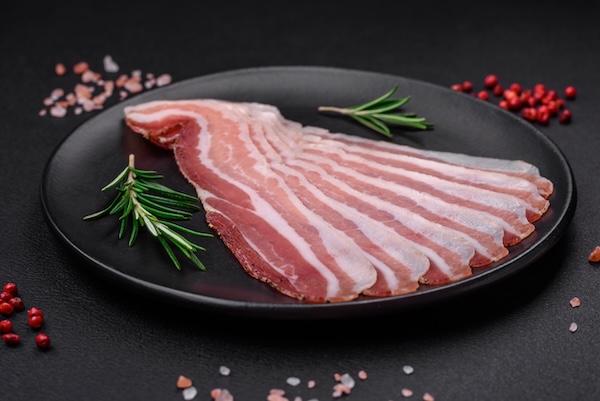
May was highly volatile, driven by sharp fluctuations in whole bacon prices and shifting European supply. Germany’s pig price fell 10p early in the month, a move some appeared to anticipate by pricing aggressively at the end of April.
Brief reductions on whole backs quickly reversed, while large volumes of whole pork middles were sold to Asia and Australia for Q3, tightening supply. Haulage fuel surcharges added further pressure.
Denmark is short of pigs and absent from the UK market for 6–8 weeks. Dutch supply tightened after bank holidays, pushing prices up. Germany, with more meat available, is now also lifting prices.
Potatoes
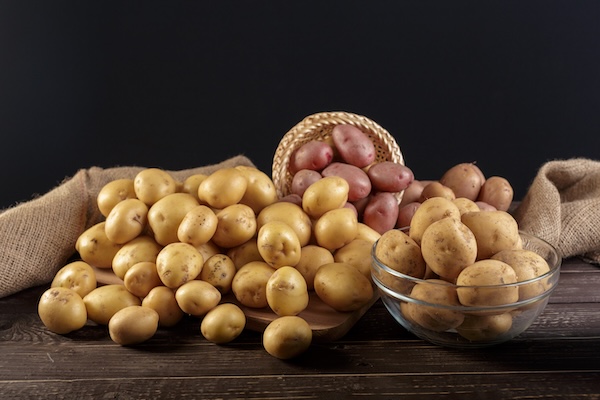
The 2025–26 potato market is marked by significant oversupply, leaving spot prices effectively at zero as processors focus on fulfilling contracted volumes. Expansion projects have been delayed or paused, with some processing lines temporarily idled.
Market conditions are further pressured by emerging production in China and India, as well as ongoing geopolitical instability in the Middle East. Looking ahead to 2026–27, contract prices have declined and acreage is expected to fall by around 15%, although a large proportion remains contracted.
While the season started on time and early crops are slightly delayed, overall growing conditions have been favourable, supporting a positive outlook for crop development.

Vine Fruits
Turkish dried grape exports have declined 14.6% year on year, despite a strong start to the season and ample early supply. Prices are also softer than last year, with key EU destinations trading 7–17% lower.
Crop development remains positive following favourable winter conditions, and 2026 yields are expected to track close to seasonal norms. Producers are releasing stocks earlier than usual, yet controlled availability of raw materials and a notably tight supply of higher-grade fruit are helping prevent deeper price erosion.
Rising energy, transport, and financing costs continue to influence sentiment across the supply chain, adding caution to forward positions and shaping near-term market behaviour.
Palm Oil
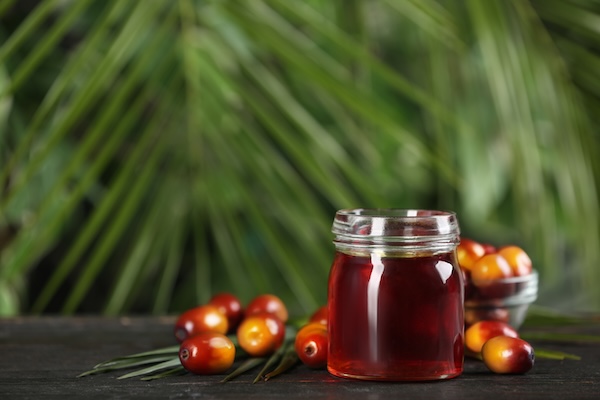
Palm oil remains highly volatile, driven by crude oil price swings, Indonesia’s accelerated B50 biodiesel mandate, and sharply reduced Malaysian stocks. Indonesia’s shift to B50 is absorbing an additional 2.3m tonnes of domestic demand, cutting export availability by 1.5–2m tonnes. Malaysian exports
dropped 34–35% in early April, even as production enters its seasonal upswing, amplifying supply side pressure and keeping the market on edge.

Sunflower Oil
Sunflower oil prices eased but remain among the highest due to tight supplies and earlier disruptions to Ukrainian ports. Global production could hit a record 62–63m tonnes in 2026–27 if the weather is normal. Ukraine and Russia are expanding acreage, though Russian exports fell 14% despite large stocks.
Rapeseed Oil
Rapeseed markets are volatile but supported by tight nearby supply and strong biodiesel demand. Europe expects a more comfortable balance as new crop production improves, with UK plantings up one third and over 80% of crops rated good or excellent.
Pineapple
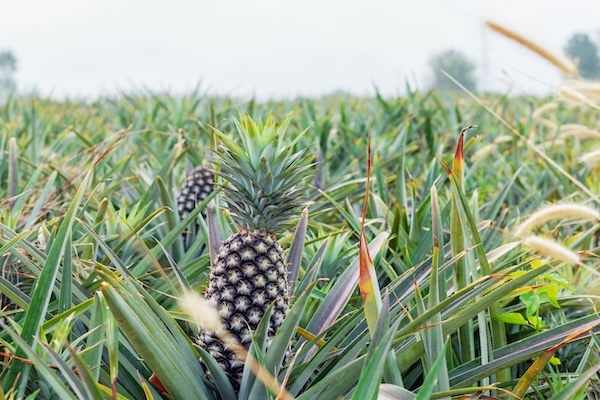
Global processed pineapple supply is mixed. Thailand is up slightly but still constrained by heat and long-term structural decline. Indonesia and the Philippines expect stronger 2026 output, while Kenya stays tight. Rising raw material prices and a
possible mid 2026 El Niño add further supply risk. With many factors pointing to rising prices, it is advisable to take a medium to long-term position on stock.
Dried Fruit & Nuts
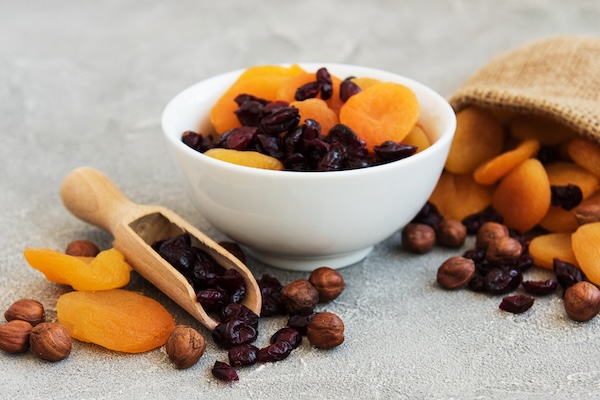
As we move into Q2 2026, the dried fruit, nuts and seeds markets are entering a more risk-sensitive phase, influenced by geopolitical tensions, weather variability, and ongoing cost pressures. While supply remains broadly balanced across most categories, trading activity has picked up in cashews, dates,
hazelnuts and sunflower seeds, while softening slightly in cherries, apricots, pecans and pine kernels. Demand continues to vary by region, with the conflict involving Iran disrupting logistics through the Strait of Hormuz, increasing freight and energy costs and shifting trade routes. At the same time,
input costs, particularly fertilisers and packaging, are rising, with further increases expected if the situation persists.
Seasonal weather volatility in key growing regions is also adding to supply uncertainty, with frost and drought risks fuelling pricing speculation. In the near term, markets are likely to remain firm but volatile. Looking further ahead, divergence
between commodities is expected to widen, driven by geopolitics, weather conditions and demand recovery.