
Fuel Costs
Farming Under Pressure: Fuel and energy costs have surged, with red diesel and natural gas rising sharply and pushing up farming and logistics expenses. Fertiliser prices have spiked in 2026, increasing growing costs just as suppliers introduced energy and transport surcharges that lifted ingredient costs. Together, these inflationary pressures, amplified by market volatility linked to the Middle East conflict, have significantly increased the overall cost of producing farmed ingredients.

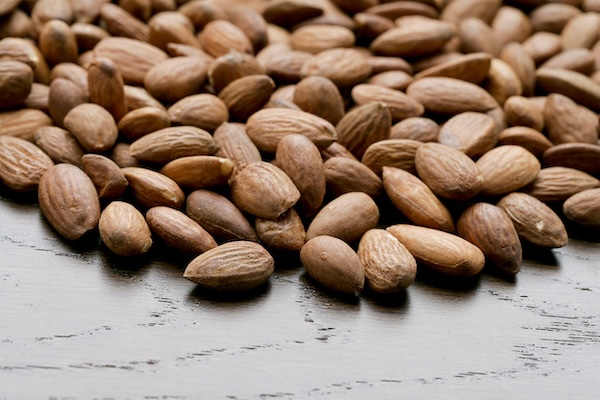
Almonds
Almond prices are rising on strong demand, with May sales up 3%. Buyer confidence has improved, though tightening California inventories may add short-term pressure. Growers expect the 2026 harvest to start about a week earlier, with shaking likely by late July. Demand is active for both current and new crop.
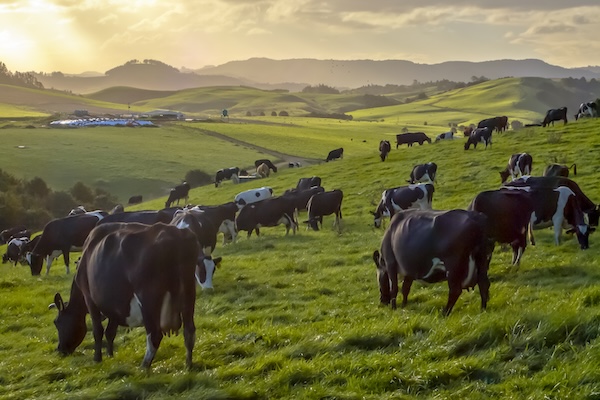
Dairy – Milk
GB daily milk deliveries have fallen again and now sit 1.9% below the same month last year, with recent weekly data showing further year on year declines of 1.5%, 2.1% and 1.9% through early June. Seasonal moderation, with milk output naturally easing after the spring peak, is creating a stabilising trend following last year’s record volumes. Overall, the market is tracking slightly below 2025 levels, signalling tightening supply and early season moderation. This shift is likely to add upward pressure to wholesale prices for cream, butter and powders as available milk begins to tighten.
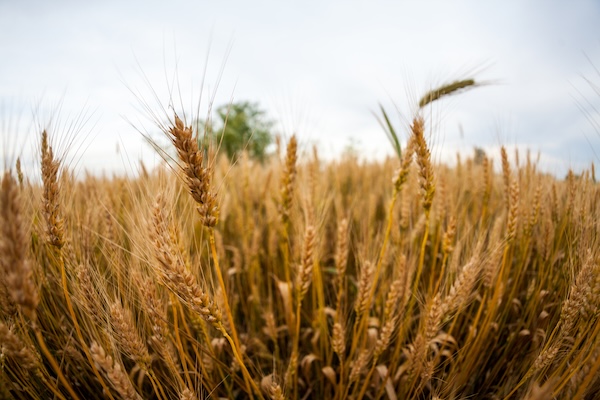
Wheat
Wheat markets firmed through late June, driven by extreme heat across Europe and poor U.S. winter wheat conditions. Global supply feels comfortable, with India holding large stocks and Romania expecting a record crop. UK wheat retains a softer tone due to good European supply and improved domestic prospects. Farmers are largely absent ahead of harvest, with early French cutting underway. Overall, markets feel steady, with attention shifting from long term energy and fertiliser pressures to immediate heatwave impacts.
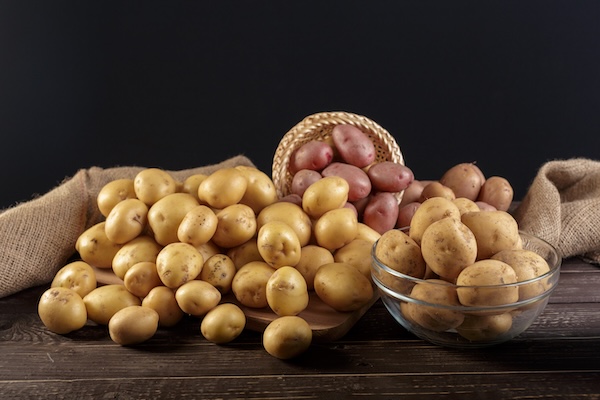
Potatoes
Suppliers are reporting a 15–20% reduction in planted acreage this season, driven largely by farms’ inability to achieve profitable returns on the free buy market in 25/26. As a result, many growers have diverted land into alternative crops for 26/27. At the same time, there is a noticeable shift in behaviour with more farmers seeking contracted volumes to secure future income and reduce exposure to volatile open market conditions. Overall crop development is positive, but the recent spell of extreme heat is raising concerns, particularly if high temperatures persist into July.
Rapeseed Oil
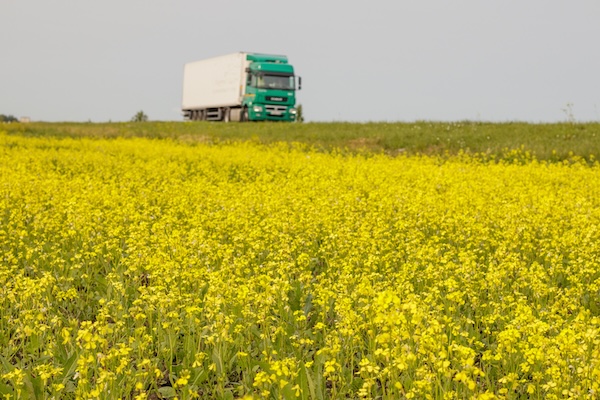
Rapeseed oil softened as peace talks between Tehran and Washington and partial recovery of Hormuz traffic triggered a sharp drop in petroleum prices, reducing theoretical biodiesel demand. Futures also reacted to European drought concerns and a weaker euro, which raises import costs. The broader oilseed complex resisted some of the macro pressure, but rapeseed remained highly sensitive to energy markets, fund positioning, and currency volatility. With Gulf crude flows only 75% restored, geopolitical fragility continues to inject uncertainty into biofuel-linked vegetable oils.
Sunflower Oil
European sunflower crops entered June with delayed sowing after a dry March and cold April, but mid-May rainfall improved establishment and kept yield prospects near trend. Weather is now critical: flowering during a heatwave could cause major yield losses, and rapid soil moisture evaporation is raising risk levels. Globally, sunflower seed production is expected to recover, led by Argentina and rebounds in the EU and Russia. In France, acreage rose to 758k ha (vs. 685k last year), supporting expectations of improved regional supply — provided summer heat does not intensify.