

Oils and Fuels
Global oil markets remain supported by tight diesel availability and continued growth in biofuel demand. Biodiesel consumption across major markets is estimated to be running 5-8% higher year-on-year, helping to offset softer pricing in palm and soybean oils, where improved crop prospects have led to values easing by approximately 3-5% in recent months.
Rapeseed and sunflower oils continue to benefit from strong renewable fuel demand, while geopolitical uncertainty in key producing regions remains a significant market influence. Olive oil markets have softened, with prices falling an estimated 10-15% from recent peaks as Southern European harvest prospects improve. Conversely, constrained fish oil supplies continue to support elevated pricing levels.
Outlook: Despite some price correction in selected oils, the market remains well supported by strong biofuel demand, weather-related risks and geopolitical uncertainty.

Canned Tuna
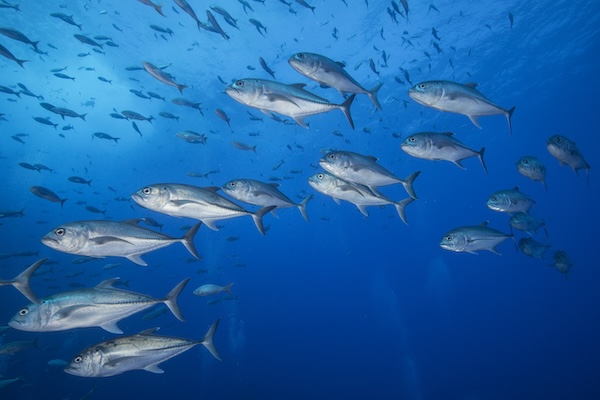
The canned tuna market remains exceptionally firm, with prices at multi-year highs as reduced catch volumes, adverse weather conditions and rising production costs continue to constrain supply.
Catch volumes across key Pacific fishing grounds are estimated to be 10-15% lower than historical averages, while landings in Papua New Guinea and Ecuador remain below normal levels. Packaging, energy and logistics costs continue to impact market values, with canning costs estimated to be 5-8% higher year-on-year. Freight costs, although moderating, remain approximately 20-30% above pre-pandemic averages. MSC-certified tuna continues to command a premium due to limited availability.
Outlook: Market conditions are expected to remain firm through Q1 2027, with elevated raw material and operating costs likely to maintain upward pressure on finished product pricing.
Dairy
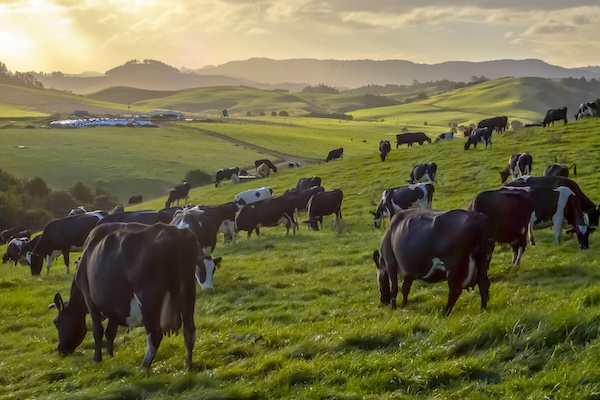
Dairy markets continue to strengthen as milk availability across the UK and Europe tightens ahead of winter.
Cheddar remains the strongest-performing category, with prices estimated to be 8-12% higher year-on-year, supported by robust demand and constrained supply. Butter markets have softened by approximately 3-5% from recent highs, while milk powder values have strengthened by around 5-7%. UK milk production remains slightly below previous-year levels, estimated at 2-4% lower, helping to maintain a firm market tone.
Increased production from New Zealand continues to add supply to global markets; however, seasonal constraints in Europe are expected to limit any significant downward pressure on pricing. Outlook: The dairy market is expected to remain stable to firm in the short term, with tightening milk supplies and seasonal demand continuing to support values.

Wheat
Global wheat markets continue to face pressure from abundant supply prospects, particularly from Australia and Argentina, where production is forecast to be 5-10% above average. Combined with subdued import demand, this has contributed to international wheat prices declining by approximately 8-12% year-on-year.
Within the UK, tighter domestic availability continues to provide support, with stocks estimated to be 3-5% lower than last season. However, import competition and weaker global values are limiting the potential for significant upward movement in nearby prices.
Outlook: UK import requirements, freight costs, export demand and the price differential between UK and European wheat markets.
Jams
The global processed pineapple market is facing ongoing supply challenges, with Thailand continuing to experience a decline in production due to rising costs, labour shortages and industry consolidation. Thailand’s processed pineapple volumes remain well below previous levels, as the number of operating canneries continues to fall.
Meanwhile, weather-related pressures linked to El Niño are affecting production across Indonesia and the Philippines, with reduced rainfall and higher temperatures impacting crop yields. With El Niño expected to continue into 2027, global pineapple supplies are likely to remain tight in the coming months.

Cranberries
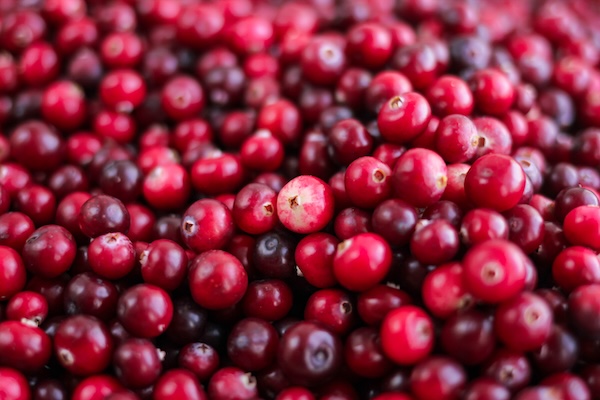
The 2026 cranberry crop is progressing steadily, although cooler temperatures and seasonal weather challenges have delayed crop maturity by approximately 4-5 days compared with normal harvest timings.
Production is currently forecast to be 3-6% below 2025 levels, reflecting the impact of summer heatwaves, below-average sunshine and localised hail damage. Fruit sizes are expected to be average to slightly below average, although overall quality remains encouraging.
The combination of a later harvest and lower production is expected to create firmer market conditions as processors begin securing supply requirements.
Outlook: Buyers of dried cranberries and cranberry ingredients should engage with suppliers early, as reduced production and delayed harvesting may result in tighter availability and upward pricing pressure throughout the season.
Potatoes
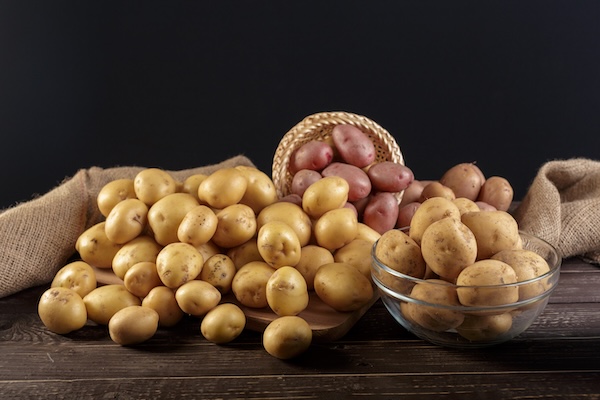
Current market conditions continue to deteriorate, with several supply and cost pressures emerging. Potato yields are significantly below expectations, with average production forecast at approximately 35t/ha versus the usual 50t/ha. The free-buy market has effectively disappeared. Low raw material volumes are increasing pricing pressure, making a price correction appear inevitable. Crop quality is also being affected, with plants producing around 15 tubers per plant versus the usual 12, resulting in smaller sizes. Heat stress has additionally caused secondary growth issues.

Tuna
The challenges on raw material are expected to persist in the short and medium term. Raw Material levels have reached $2,250 per MT in Bangkok, a 9 year high, and $2,275 per MT in Ecuador. Fleets in both the Western Central and Eastern Pacific Ocean have reported a fall of circa 30-40% in landings vs 2025, and canneries in both Philippines and PNG are limiting operations due to the lack of fish. Elevated Marine Gas Oil prices continue to drive vessel costs and add further inflationary pressure.
The last comparable period of catch-driven inflation was in 2012/13. While the pressure persisted for 1 year, once vessels found fish, raw material prices fell c. 35% within three months. Fish stocks remain healthy, with biomass likely building following prolonged poor landings in 2026. The key uncertainty is therefore when, not if, vessels find the fish.