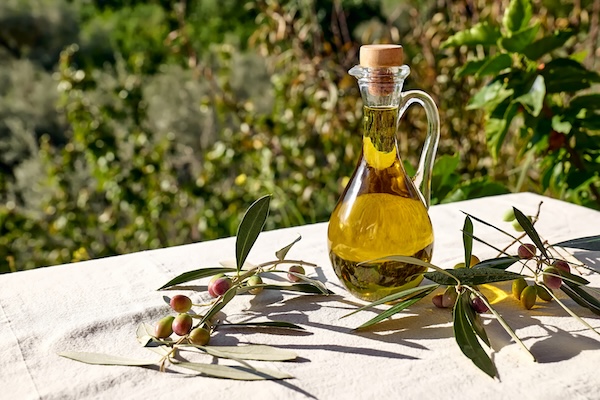
Olives
After several challenging years caused by drought, extreme heat and poor crop yields, the olive market is showing strong signs of recovery. Improved rainfall in Spain throughout late 2025 and early 2026 has replenished water reserves and helped olive trees recover, resulting in expectations of a significantly larger harvest, improved availability and more competitive pricing for the season ahead. Despite the positive outlook, the crop remains highly dependent on weather conditions over the coming weeks. Recent heatwaves in southern Spain have raised concerns, and rainfall during September and early October will be crucial in determining final yields and fruit quality. While early forecasts point to better supply and lower prices, the market is awaiting harvest data before confirming the extent of any price reductions.

Meat – Beef & Lamb
Livestock markets continued to show positive momentum this week, with cattle and lamb prices edging higher as seasonal demand improves and supplies remain tight. Prime cattle values strengthened, while cow prices have stabilised following recent declines.
In the sheep sector, lamb prices rose across both live and deadweight markets, supported by historically low numbers. Store lambs recorded particularly strong gains, helping to maintain confidence in the market heading into autumn.
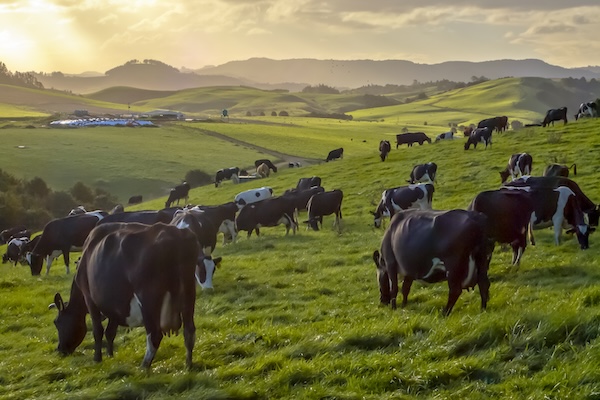
Dairy
UK wholesale dairy market prices rose by 2.5% in August 2026 (an increase of 0.95ppl to 39.5ppl). This increase is being driven primarily by a significant weather-related supply shock across the UK and Ireland. Four successive heatwaves have severely reduced grass growth, leading to lower milk production, with some of the worst-affected regions seeing collections more than 20% below expectations.
At the same time, the GB dairy herd continues to shrink, cow culling remains high due to attractive beef prices, and Bluetongue outbreaks are creating further production risks. These tightening supply conditions have rapidly depleted mature Cheddar stocks, pushing cheese prices higher and prompting processors to announce substantial farmgate milk price increases for the autumn. The overall market sentiment has turned increasingly bullish as concerns grow that ongoing weather pressures and the near- certain arrival of El Niño will further constrain milk supply through early 2027.
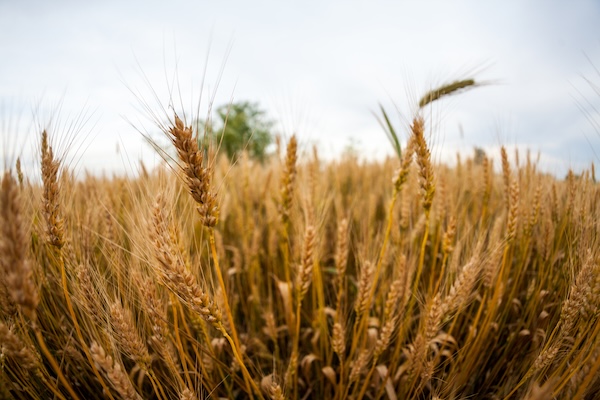
Wheat
The wheat market remains volatile as the Russia-Ukraine conflict continues to disrupt Black Sea exports, while higher energy and freight costs make grain transportation more expensive. Although global wheat stocks are larger than expected, export availability from key suppliers is tightening, and harvest delays in Canada are adding further uncertainty. Demand has started to recover, but limited availability is supporting prices and reducing buyer participation in some import tenders. Despite these challenges, there is no overall shortage of wheat; the main issue is moving supplies efficiently to where they are needed. While prices have eased from recent highs, ongoing concerns over export logistics and the need for a secure Black Sea shipping corridor are expected to keep the market sensitive to further developments.
Pineapple
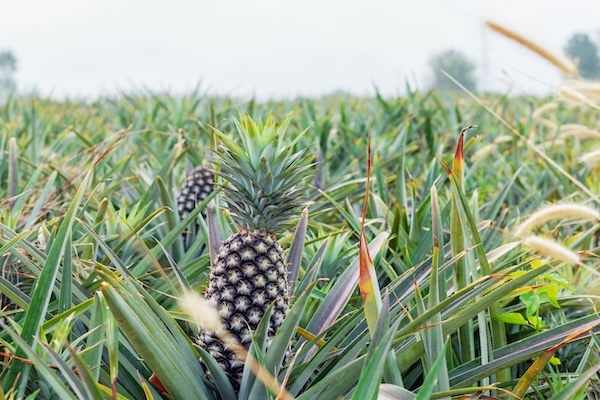
The global processed pineapple market is facing ongoing supply challenges, with Thailand continuing to experience a decline in production due to rising costs, labour shortages and industry consolidation. Thailand’s processed pineapple volumes remain well below previous levels, as the number of operating canneries continues to fall.
Meanwhile, weather-related pressures linked to El Niño are affecting production across Indonesia and the Philippines, with reduced rainfall and higher temperatures impacting crop yields. With El Niño expected to continue into 2027, global pineapple supplies are likely to remain tight in the coming months.
Oil
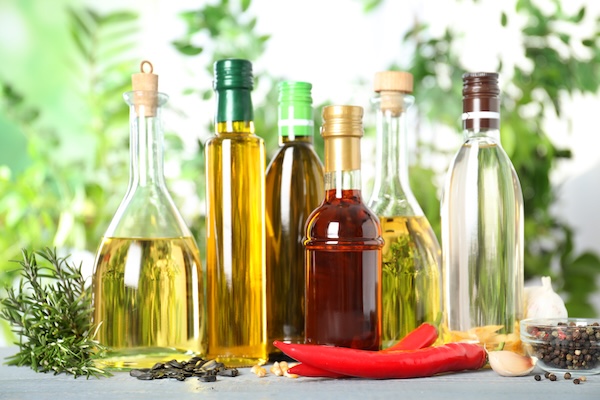
Rising crude oil prices continue to support edible oil markets by increasing biodiesel demand and supply chain costs. Palm oil is facing pressure from high stock levels, while soybean oil remains supported by strong demand despite larger expected harvests. Rapeseed oil is benefiting from biodiesel demand and weather concerns in Europe, while sunflower oil continues to be impacted by disruptions to Black Sea exports. Overall, energy prices, weather conditions and geopolitical tensions remain the key drivers of volatility across edible oil markets.
Potatoes
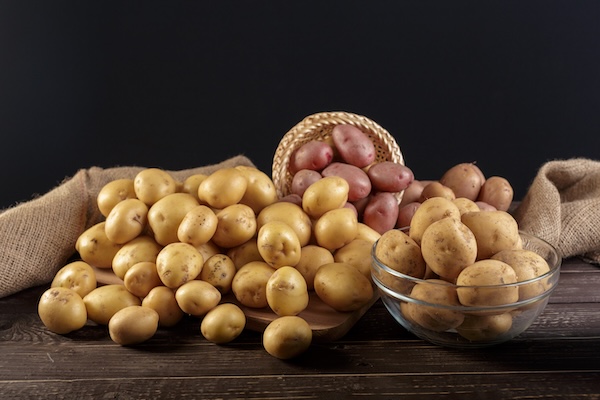
Global potato production remains below 400 million tonnes annually and is struggling to keep pace with rising demand. Supply pressures are emerging in Europe and North America, which account for the majority of global potato trade. Europe has faced its hottest summer on record alongside reduced planting areas, while the US is expected to harvest one of its smallest crops in recent years at just under 18 million tonnes, equivalent to around 4.5% of global production.
In contrast, Canada is heading for a record harvest, while China and India continue to expand production. Demand for processed potato products remains particularly strong, with the global frozen fry trade reaching record levels. According to the World Potato Markets Frozen Fry Trade Index, volumes are now 19% higher than pre-Covid levels, highlighting continued growth in consumer demand despite tighter raw potato supplies.

Tuna
The challenges on raw material are expected to persist in the short and medium term. Raw Material levels have reached $2,250 per MT in Bangkok, a 9 year high, and $2,275 per MT in Ecuador. Fleets in both the Western Central and Eastern Pacific Ocean have reported a fall of circa 30-40% in landings vs 2025, and canneries in both Philippines and PNG are limiting operations due to the lack of fish. Elevated Marine Gas Oil prices continue to drive vessel costs and add further inflationary pressure.
The last comparable period of catch-driven inflation was in 2012/13. While the pressure persisted for 1 year, once vessels found fish, raw material prices fell c. 35% within three months. Fish stocks remain healthy, with biomass likely building following prolonged poor landings in 2026. The key uncertainty is therefore when, not if, vessels find the fish.
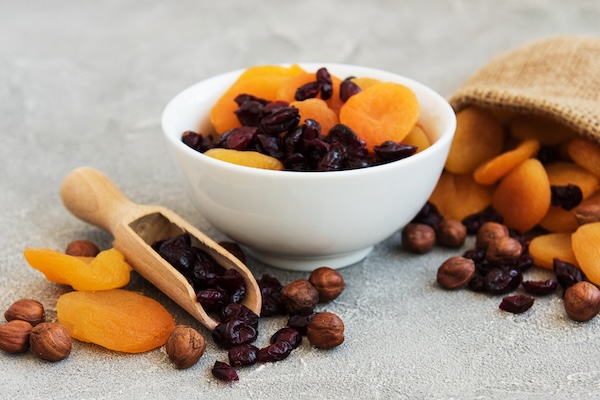
Seeds, Nuts & Dried Fruit
Pumpkin Seeds Market conditions remain firm and uncertain. Limited new crop availability, depleted old crop stocks, drought concerns in some growing regions, and strong domestic demand are continuing to push prices higher. Exporters are cautious about committing volumes until harvest progress becomes clearer.
Turkish Raisins Harvest has commenced and early indications suggest a significantly larger crop than recent seasons. While production estimates remain unconfirmed, increased availability is expected as harvesting progresses.
Chinese Raisins The Chinese Sultana/Raisin market in China remains relatively slow with a notable gap between the farmers and Buyers price expectation. Farmers are reluctant to sell at the current market levels, and buyers are cautious about the increasing offers resulting in limited trading. The export demand does remain steady with workable pricing, however with the Turkish Market now fully back with a crop estimate of between 290 – 300k MT, buyers are now back to Turkish material.