Coconut
Coconut and copra prices continue to rise across the Philippines and Indonesia as tightening raw material supplies support the market. Higher input costs are now pushing up domestic desiccated coconut prices, while exporters face increasing pressure from rising processing costs. Export prices have remained relatively stable, but this may not be sustainable if raw material prices continue to climb.
International demand remains cautious, with buyers covering mainly short-term requirements. However, low inventories, seasonal declines in production, stronger year-end and pre-Ramadan demand, and weather risks, including the Philippine typhoon season and a potential Super El Niño, could tighten supply further and support higher prices in the coming months.
The coconut oil market is increasingly being driven by limited raw material availability rather than movements in other vegetable oils. Although demand remains subdued, rising container freight rates and shipping constraints continue to increase the cost of coconut products in key import markets.

Vegetables
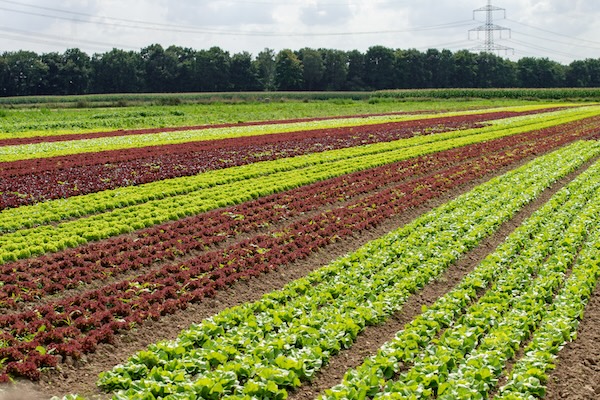
Extreme weather across Europe is sharply reducing 2026 vegetable yields and straining processing capacity. Heatwaves, drought, storms and heavy rain are forcing large pea acreage bypasses in Belgium and the UK, cutting spinach yields and reducing productivity in France. Portugal and Spain report acreage losses and accelerated crop maturity, while Eastern Europe faces drought-driven declines, including a confirmed 20% drop in Polish peas.
Overall supply is tighter than expected, with labour, energy, logistics and packaging costs still elevated. Producers are focusing on crop diversification, strict quality control and clear customer communication to maintain availability and service levels year-round.
Dairy
Market sentiment remains stable despite softer seasonal demand, with the latest GDT auction down 4.9%. UK milk volumes have eased from last year’s high levels but remain above historical averages, while EU production continues to grow at around 2% year-on-year.
Spot milk prices have strengthened, although May farmgate prices were still around 21% below last year. Butter remains well supplied, keeping prices under pressure.
The cheese market is broadly balanced, supported by favourable conditions. Cheddar prices have eased seasonally, but tightening milk supplies following the recent heatwave have pushed spot milk prices into the mid-40ppl range. Mozzarella demand and prices have softened after earlier strength, while cheddar demand remains mixed, with some producers sold through to Q4 and others seeing more cautious buying.
Rising agricultural inflation, fuel costs, and other input costs continue to pose longer-term risks to dairy production.


Wheat
Wheat markets remain highly volatile as renewed Russia–Ukraine conflict disrupts Black Sea exports, although any impact is expected to delay rather than permanently reduce Russian shipments.
The UK harvest is progressing slowly, with early results showing excellent grain quality but no indication of record yields. More importantly, global wheat production is expected to be lower across the US, Europe and Australia, providing underlying support to prices despite ongoing geopolitical uncertainty.
Markets are likely to remain volatile as conflict, weather and speculative trading continue to influence price movements.
Tomatoes
The global processing tomato market remains stable and well supplied, with 2026 production forecast at 40.1 million tonnes. Good crop conditions across Europe, particularly in Italy, Spain, and Portugal, have supported healthy yields and raw material availability.
No significant weather, disease or geopolitical issues have been reported, and early harvest quality is strong. Lower grower prices compared with last year are reducing raw material costs for processors. While energy, freight, packaging and fertiliser costs remain elevated, these pressures are being offset by improved crop conditions and lower tomato prices.
A stronger Sterling has also helped UK importers. Overall outlook: The market is balanced, supply is secure, and canned Italian tomato products are expected to be cheaper than last year, with no significant supply concerns currently identified.


Coldwater Prawns
The Coldwater prawn market continues to tighten, with cooked and peeled prawn prices increasing by approximately 45–55% over the past 12 months. Supply remains under significant pressure following quota reductions across several key fishing regions due to declining stock levels. These restrictions are expected to remain in place, limiting supply through the remainder of 2026 and potentially into 2027.
At the same time, demand from China has increased substantially, with Norway’s share of Chinese Coldwater shrimp imports rising from 2% to 27% in just one year. This has intensified global competition for available volumes.
Despite higher prices, UK consumer demand remains resilient. Market conditions are expected to remain firm throughout Q3 and Q4 2026, driven by ongoing supply constraints and strong international demand.
The overall outlook is that Coldwater prawn supply shortages appear structural rather than temporary. With limited raw material availability, increasing competition from China and continued strong demand, prices are expected to remain at historically high levels and continue trending upwards through the remainder of 2026.
Whitefish
Cod, haddock, and pollock are key whitefish species in the UK seafood market. While cod and haddock remain traditional staples, particularly for fish and chips and retail consumption, wild pollock is increasingly popular as a more affordable and sustainable alternative. Market growth is supported by strict sustainability standards, including MSC certification, and rising demand for healthy, convenient seafood products.
The wider European whitefish market highlights this trend. The European wild pollock market is valued at USD 0.66 billion in 2025, growing to USD 0.69 billion in 2026 and projected to reach USD 0.92 billion by 2034 (Compound Annual Growth Rate 3.7%). The global haddock market is expected to grow from US$ 984 million in 2026 to US$ 1.37 billion by 2032 (Compound Annual Growth Rate 5.7%), influencing UK supply and pricing.
Within the UK and Europe, B2B channels such as food processors, catering services, and quick-service restaurants account for most sales volume. However, online and direct-to-consumer sales are the fastest- growing segment, with a projected 8.4% Compound Annual Growth Rate. Whitefish also benefits from strong consumer appeal due to its nutritional profile, providing approximately 18g of protein per 100g serving while containing less than 1g of fat.