

Beef
In recent months, the market has been defined by tight supply, firm prices, and cautious consumer demand. UK beef production for 2026 is forecast at 883,000 tonnes, a slight year-on-year decline as cattle numbers remained constrained. This limited availability is helping keep farmgate cattle prices supported, aligning with wider European trends where reduced slaughter volumes (down 5% across Jan–Sep) continued to underpin farmer values.


Cocoa
Industry cover had increased in the past 7 months, which is well above previous months. The industry has been taking advantage of sales liquidity from speculative selling, extending cover without creating market turbulence. Tree crops for 25/26 are in full swing. West Africa are off to a better start than expected with October and November arrivals. Nevertheless, the pod counts are showing to be more disappointing than initially expected landing levels flat against 24/25. Overall, the crop trend has largely stagnated with a deteriorating trend in Ivory Coast and Ghana with an acceleration in other acreage in other origins notably Ecuador.
Potatoes
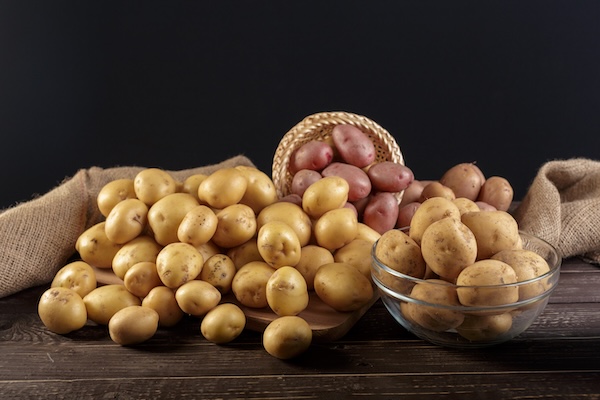
European potato planting in early 2026 is unfolding under oversupply pressure, cautious contracting, and expectations of acreage correction. Growers across the EU are responding to last season’s surplus, which expanded faster than demand and intensified competition in export markets. Contract prices for 2026 are trending lower, with France and the Netherlands seeing reductions of up to 25% and potential volume cuts of around 20% per hectare. Market analysts expect planted area adjustments to help rebalance supply for 2026/27, as free buy trade remains limited and uncontracted stock faces restricted outlets.

Wheat
Global wheat markets have fallen into a very dull period with prices stuck in very tight trading ranges. Old crop is running out of time and demand, whilst new crop production and prices seem under control. Global supplies of grain are more than adequate, and as top exporters fight for market share, it is inevitable that some will lose out and carry stocks into the new crop. U.S. wheat export sales offer limited support, while Russia removed its export tax, and they also expect a larger crop, and Canada reported higher wheat stocks. Ukraine cut export forecasts but raised ending stocks, and the European Union outlook remains comfortable despite steady exports. UK crops look healthy, with carryover stocks offsetting slightly lower production. Prices are likely to remain stable or slightly soft, with upside only from weather issues or currency swings affecting exports. Buyers benefit from good availability and capped old-crop values.
Sweet Corn and Baby Corn
Flooding in Northern Thailand has adversely affected corn plantations, leading to supply shortages. Additionally, prolonged cold weather has slowed crop development and delayed maturity. Consequently, production has shifted from January to February-March, with April output remaining uncertain and subject to ongoing monitoring. A roughly 10% increase in corn seed prices has further raised planting and production costs, contributing to upward market pressure.

Pineapple
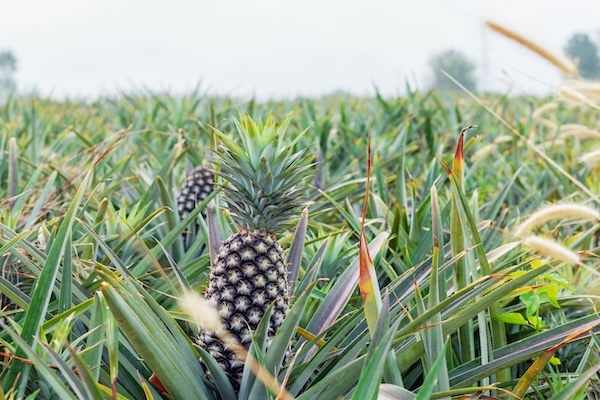
The market has experienced good availability and quality from the winter crop. Attention is now focused on weather conditions affecting the upcoming summer crop. Provided rainfall commences as anticipated, supply conditions are expected to remain favourable. The peak season for the winter crop occurs during November-December, while the summer crop typically peaks in March-April. Pineapple supply declined in January 2026 and remains tight in February, with daily volumes low and fruit costs rising from THB 5.90/kg in January to around THB 7.80–8.20/kg, expected to stay elevated through March. Although prices briefly softened in early January due to weak demand, reduced supply and higher raw material costs have led packers to hold or suspend new offers and prioritise existing orders.
There are future concerns over limited rainfall and the potential impact of El Niño, with the Thai Food Processors Association lowering its 2026 production forecast, are creating uncertainty for the summer crop.
Mango
Raw material availability is significantly constrained this year, resulting in limited market supply. Advance bookings are required, and production is being conducted strictly on a made-to-order basis to manage shortages.
