

European Cheeses
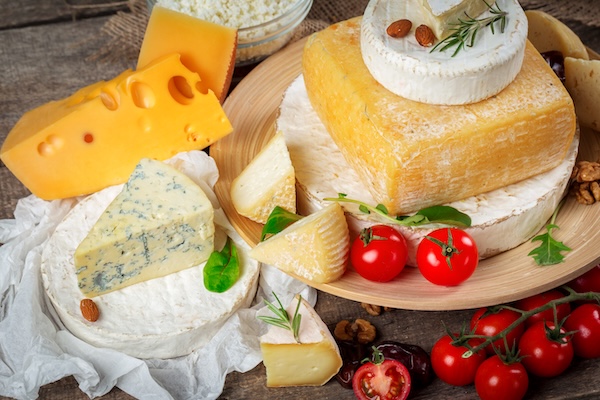
European dairy markets are softening overall, with major cow’s milk cheeses such as Cheddar, Gouda and Edam falling sharply from early-2025 highs. However, speciality continental categories show far greater disparity. Greek Feta faces significant upward pressure due to strong demand and reduced sheep milk availability following livestock losses from the sheep pox virus. 2026 contracts are already up by as much as 15%. Cypriot Halloumi remains stable but structurally expensive, with long lead times and a shift toward higher sheep and goat milk content. In France, AOC cheeses, Brie and Camembert remain tight despite falling liquid milk prices. Spain sees firm cow’s milk pricing, with Italy showing modest softening in fresh cow’s milk cheeses, with PDO staples like Parmigiano holding record highs.
Oils
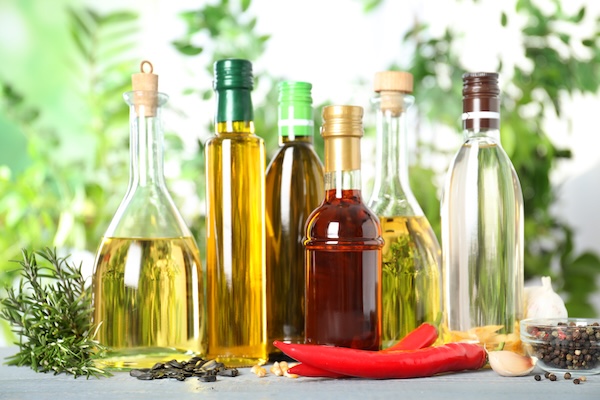
Notable cost increases in key vegetable oils since June 2025 are Crude Palm Oil rising over 15%, Crude Sunflower Oil by 12%, Rapeseed Oil by 6%, and High Oleic Sunflower Oil by 2%. These market shifts will affect a wide range of lines from the beginning of 2026.
Cranberries
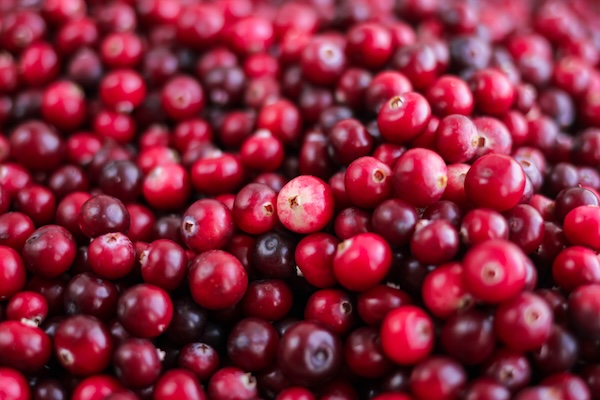
Quebec’s 2025 cranberry harvest matched 2024 volumes despite erratic weather, thanks to expanded acreage and improved field practices. Organic production saw modest gains after years of stagnation, though challenges like pest control and high costs persist. In contrast, the U.S. faces a projected 180-million-pound shortfall due to drought and frost, likely increasing demand for Canadian cranberries. This shift positions Quebec growers advantageously in global markets. Stakeholders are urged to secure supply early to mitigate risks from tightening inventories and rising prices. Strategic planning now off ers a competitive edge in an increasingly constrained cranberry supply landscape.
Chocolate
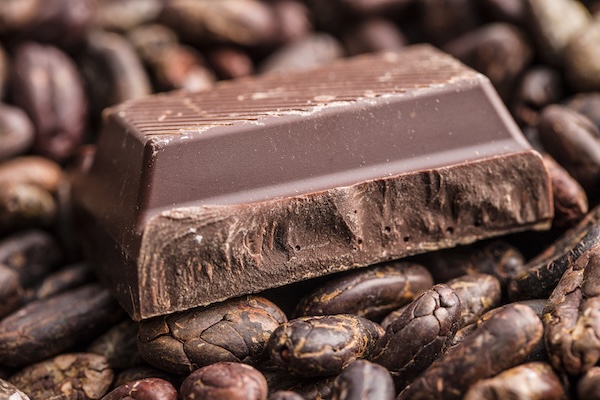
Although cocoa prices have remained historically high and volatile, recent months have shown a clear and sustained downward shift. As raw material costs ease, manufacturers have begun passing these savings through to the market, with a further reduction planned from January 2026. This renewed price stability signals healthier market conditions and opens the door to new growth opportunities across the sector.
Wheat
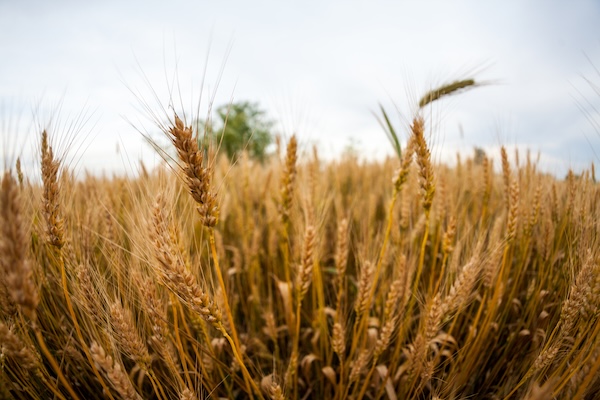
Global wheat supply remains ample, with major exporters posting large or record crops. The USDA’s December report raised estimates for global production, consumption, trade, and stocks, reinforcing an expected downturn heading into early 2026. Planting conditions are broadly favourable, and global stocks sit at record highs. Prices continue to drift toward contract lows as farmers sell for cash, while UK feed wheat premiums persist amid uncertainty over actual crop size. With exporters competing aggressively, credible upward drivers are unlikely to emerge before spring 2026 and the onset of weather-related risks.
Chickpeas
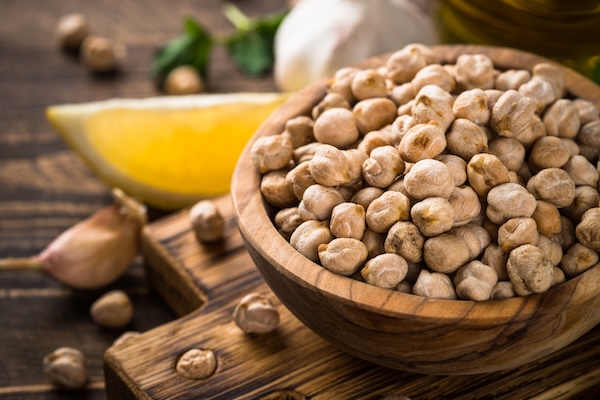
The global chickpea market has stabilised after a sharp price correction driven by strong global harvests. Large-calibre chickpeas, however, retain premium pricing. The U.S. and Canada posted record volumes, though Canada faces quality concerns. Turkey and Russia remain major suppliers, with Russia targeting growth in large-calibre output. Mexico’s limited crop sustains high prices for 12mm+ chickpeas. Argentina’s production fell 17% amid drought and contamination risks. Despite ample global supply and falling prices, a price fl oor appears to have formed, with future volatility possible as costs near current price levels.