

Cheese
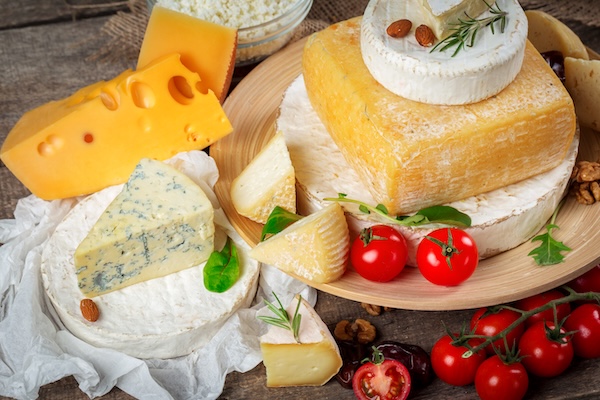
The UK cheese market remains firm, supported by limited stocks of Mature, Extra Mature and Vintage cheeses, alongside declining milk production. UK milk prices continue to rise as drought conditions reduce output and force some farmers to use winter feed reserves early.
Meanwhile, the European market is more stable, with ample milk supplies and Mozzarella prices levelling off. Higher feed costs, driven by poor cereal harvests and global supply disruptions, are adding further pressure across the dairy supply chain.
Vegetables
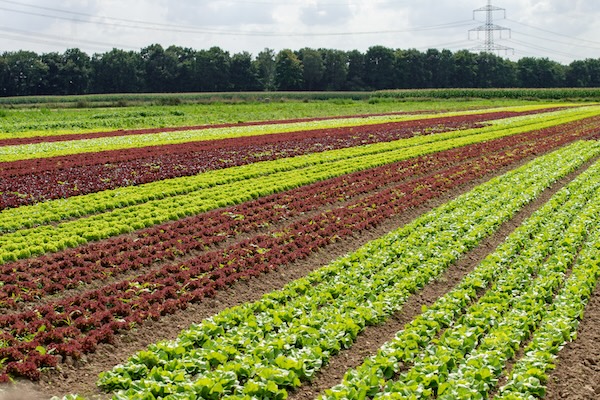
Europe’s 2026 vegetable season is proving extremely challenging, with prolonged heat, drought and wildfires reducing yields and impacting crop quality across key growing regions.
Pea production is significantly below target, with Belgium expected to achieve around 80% of budgeted volumes and the UK just 69%. Bean crops are also under pressure from dry conditions, particularly in France, Belgium, Spain and the UK, while spinach and other leafy vegetables are seeing declining yields and quality.
France has been among the worst affected due to severe drought, extreme temperatures and wildfires, while Portugal, Spain and Italy continue to battle heat-related crop losses and increased irrigation demands.
As a result, European vegetable supplies are tightening, particularly for peas and beans, with rising production, labour, energy and transport costs adding further pressure. Supply shortages and higher prices remain a growing risk for the remainder of the 2026 season.
Meat
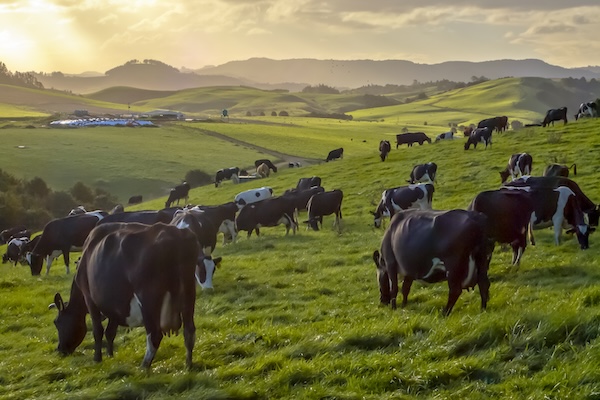
Overall, summer trading has been relatively subdued, helping to keep meat availability strong and supply well balanced across most sectors. The market is closely watching the proposed restrictions on Brazilian meat imports into the EU from September, as any disruption to global trade flows could influence availability and pricing.
Demand for halal products continues to grow and is becoming an increasingly important consideration within the burger market. With supply remaining plentiful, some raw material costs have softened since July, and we do not currently expect significant price increases over the next two to three months.
Wheat
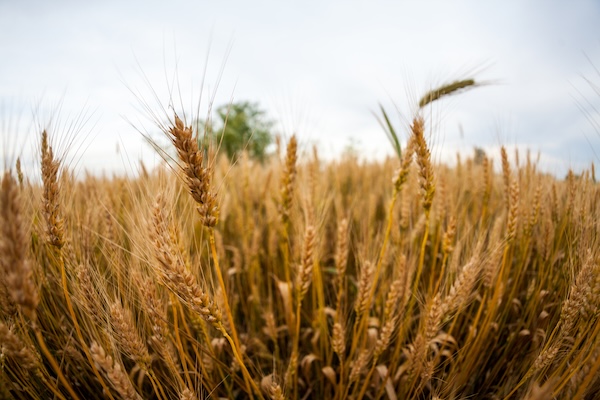
Harvest has concluded, confirming lower wheat yields after a hot, dry season cut production by 5-15% across the UK and Europe. UK availability is forecast at around 12 million tonnes, with strong demand expected from livestock producers due to forage shortages.
Global wheat supplies remain adequate, but exports are being disrupted by attacks on grain infrastructure in Russia and Ukraine, restricting movement through key Black Sea routes despite ample Russian stocks.
In the UK, limited farmer selling is supporting prices and increasing the risk of volatility. While overall supply is sufficient, logistical constraints, EU maize shortages and tight UK stocks continue to underpin the market.
Potatoes
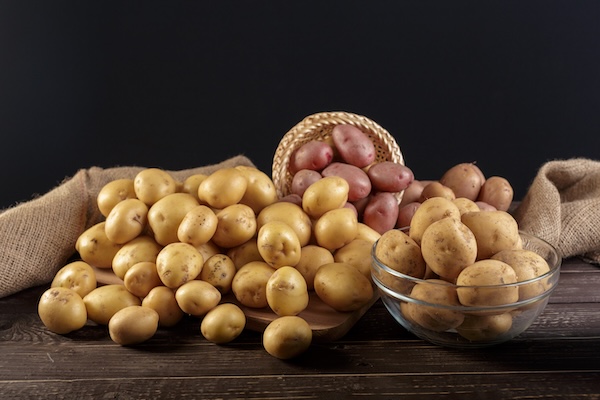
EU potato production is at risk of becoming the smallest on record due to significantly reduced planting and weaker yields. Plantings across the EU-27 are estimated to be down 11.2%, with larger declines in the key EU-4 producers (Germany, France, the Netherlands and Belgium) at 13.7%, and Poland down 12.1%. With acreage already at record lows, only a modest decline in yields from last year or the five-year average would result in a crop smaller than the drought-affected 2018 harvest.
Current conditions are increasingly resembling 2018, and if those yields are repeated, EU production could fall below 40 million tonnes for the first time ever, around 15 million tonnes less than last year.

Oil
European vegetable oil markets remained volatile. Rapeseed oil gained support from higher crude oil prices, biodiesel demand, weather concerns and transport disruptions in Europe. Soybean oil ended lower overall, though tight nearby supplies continued to support the market. Palm oil was little changed, as stronger exports offset rising Malaysian production, while sunflower oil edged higher on weather concerns across the EU and Eastern Europe.