
Bacon
Pork & Pigmeat market update, African Swine Fever (ASF) is still a big concern globally, continuing to affect Europe, keeping pork supply unpredictable, though it poses no risk to humans. EU pigmeat exports grew 3% in the first ten months of 2025, but outbreaks and import restrictions may create local supply constraints. UK supply is stable, but prices are expected to remain firm, with some short-term volatility. Ongoing biosecurity and vaccination measures will be key to maintaining stability, while overall demand and exports remain strong.


Edible Oils
Rapeseed oil prices have eased slightly since early December due to ample global supplies, but strong biodiesel demand and substitution away from expensive sunflower oil have limited further losses. Palm oil prices have also softened on high stocks, though support is expected as production declines seasonally and demand rises ahead of Chinese New Year and Ramadan. In contrast, sunflower oil prices have surged as severe crop losses in the EU and Ukraine, war-related disruptions, and restricted exports keep supplies extremely tight, with the USDA sharply cutting global production estimates.
Dairy
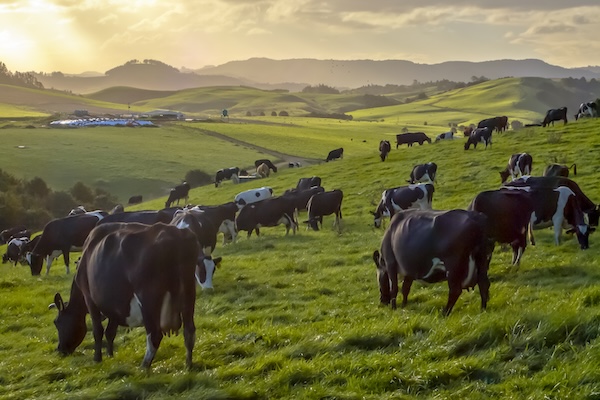
Cheese prices have continued to decline over the past month as buyer caution persists. The Global Dairy Trade index has now fallen for seven consecutive weeks, dropping another 3% — the second largest fall in that period. Milk production remains unusually high across key regions: UK up 5.2%, Ireland up 5.9%, and Europe up 0.8% (Jan–Sept 2025). This reflects an extended period of surplus supply, with milk deliveries resembling “spring flush” levels far later in the season than normal. Seasonal Christmas 2025 demand provided only temporary relief and wasn’t enough to absorb the excess milk in the system. Looking ahead, the market sits in a fragile position. While there are early signs of price stabilisation, volatility is expected to continue until either milk supply tightens or export demand strengthens.

Vine Fruit
The Turkish vine fruit market is currently a buyer’s market, with scarce enquiries, lower exports (down 23% YoY), and packers cutting production. Prices have dropped significantly to $2,700–$2,800 FOB Izmir, and the key risk remains frost damage between March and May, which could further reduce supply and push prices down, though farmers are reluctant to accept lower raw material prices.
Wheat
Global wheat markets remain well supplied, with world ending stocks at a five-year high and record global production driving a bearish supply outlook. Export competition remains strong, led by Russia and Argentina, while demand growth is modest and feed markets continue to favour corn and barley. Weather concerns in the US, Europe, and Black Sea are providing some risk premium, but so far pose no major yield threat. Prices are finding near-term support from weather worries and fund short covering, though upside remains capped by large corn supplies.


Pineapple
Thailand’s pineapple production surged in 2025, but rising labour costs, cannery closures, and reliance on independent farmers have reduced long-term output. 2026 looks strong, though El Niño could disrupt supply later in the year. Expect some price pressure and potential volatility as these factors play out. Higher labour costs and reduced processing capacity may put upward pressure on prices. Buyers should monitor both seasonal trends and ongoing industry pressures when planning supply and pricing strategies.
Fish
Russia supplies a large share of global whitefish, and the UK is heavily reliant on imports, with over 30% linked directly or indirectly to Russia. The war in Ukraine, alongside COVID-19, Brexit, and lower fishing quotas, has tightened supply chains, disrupted processing, and driven whitefish price increases of 20–30%. While UK seafood imports rose slightly in 2025, this was driven by non-whitefish species, as wild whitefish availability continued to fall. With limited alternatives to Russian supply, the UK whitefish market faces ongoing shortages, rising costs, and higher prices for consumers.