Transport
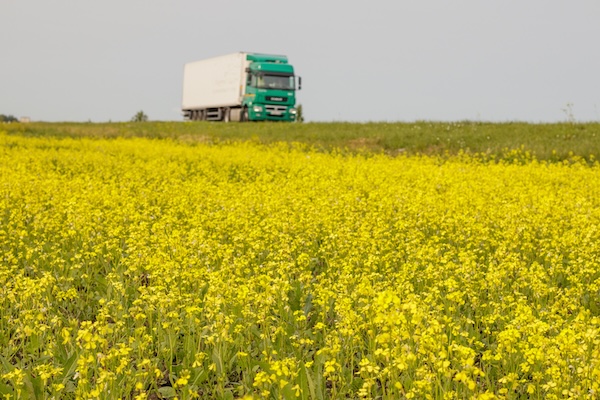
European costs are expected to rise moderately in 2026, with road freight increasing by around 3-4%. While diesel prices have fallen, overall costs are being driven up by factors such as rising labour costs due to driver shortages and higher operational expenses.
Packaging
Costs show mixed trends for 2026. Cardboard, both corrugated and flat, is expected to rise slightly by 2–3%. Plastic materials, including 3-layer portions and buckets, should remain stable due to limited global manufacturers. Plastic wrap prices are also forecasted to stay steady. Tinplate for jar lids, heavily influenced by steel costs, is anticipated to remain stable, though minor increases are possible but undefined. Glass packaging continues at high levels, with prices stable or marginally higher than last year (around +2%). Overall, most materials remain steady, with only cardboard and glass showing modest upward movement.
Beef
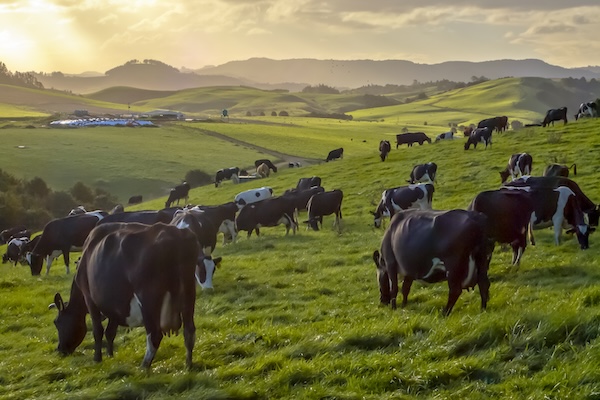
In 2026 the UK’s beef production is set to decline, increasing reliance on imports to balance supply, while high domestic prices constrain exports by limiting competitiveness abroad. Tight supply continues to support elevated farmgate values, though consumer demand may soften under rising costs. At the same time, non-EU suppliers such as Australia, New Zealand, and Brazil are expected to expand their market share, reflecting the impact of trade agreements and growing interest in the UK market.
Sugar
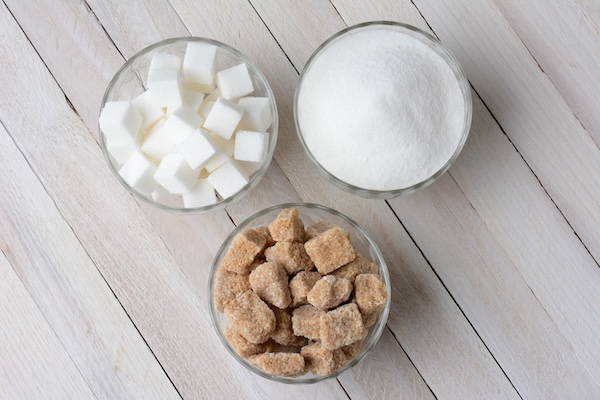
European sugar production areas have been reduced, but productivity is good, and a balanced market is expected. European sugar producers, however, have implemented a policy of reducing supply by exporting significant quantities to the world market, thereby raising prices. The increase is not excessive, but it is still present.
Wheat
Global wheat markets in late November 2025 remain subdued, with ample supply offsetting steady demand. Russia’s 2026 crop is forecast lower, while Ukraine’s expanded plantings could deliver a five-year high. In the U.S., winter wheat planting is nearly complete, though weaker than expected crop conditions provide some underlying bullish support. UK feed wheat demand is firm, aided by colder weather, while bread-making supply is sufficient, keeping premiums stable. Futures trading is quiet, with meaningful availability not expected until May 2026. Overall, prices are rangebound: strong global supply limits upside, but poor U.S. conditions and potential Chinese demand offer modest support. The outlook into 2026 remains steady yet cautious, shaped by weather and trade appetite.

Almonds
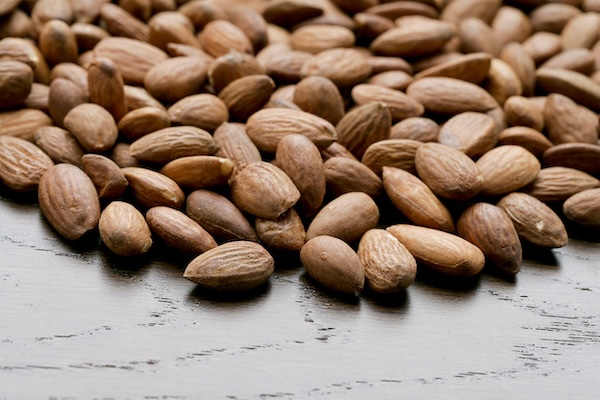
October’s harvest in California’s Central Valley faced significant weather challenges. After September rains slowed progress, mid-October storms delivered 0.25–2 inches of rainfall, disrupting operations. Temperatures swung from early highs above 90°F to cooler 70s during rain, before rebounding into the mid-80s late in the month. Growers rushed to harvest late-maturing varieties, often picking immature almonds to avoid rain damage. High moisture complicated hulling, shelling, and drying, requiring special handling. Smaller processors ended their season, while larger facilities focused on stockpiled reserves, continuing into December.
Raisins
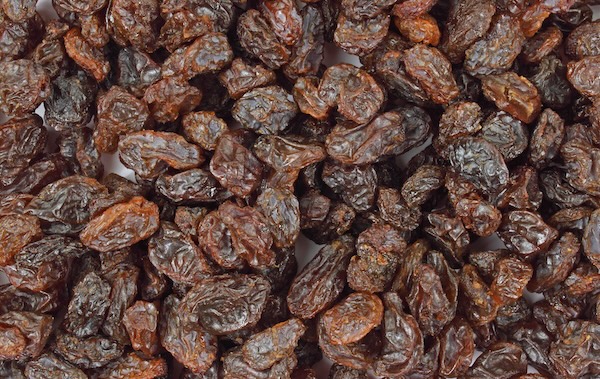
Turkey’s 2025 raisin exports fell sharply by late October, a 39.1% drop from 2024, due to frost damage that reduced the crop by 38%. Domestic prices stabilised in October, while European markets, notably the UK, Germany, and the Netherlands, maintained steady demand. With limited supply and consistent demand, prices are expected to remain firm amid drought-stressed vineyards.
Tree Fruits
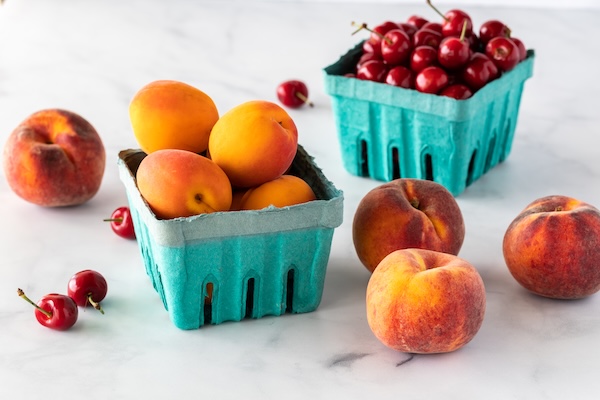
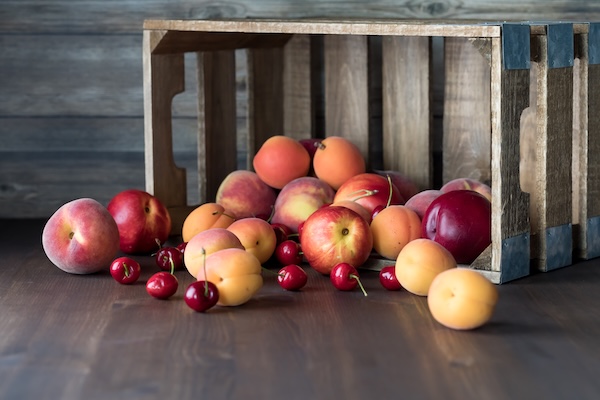
Turkish apricot exports in 2025 plunged due to severe spring frost in Malatya, and by late October, they were just one-third of 2024 levels. Prices surged 72.6% to $8,719 per ton, peaking at $10,111. Farmers completed irrigation and shifted to fertilisation, pest control, and pruning to mitigate frost damage. While fruit quality remains generally good, size and colour were aff ected, making careful drying essential. Quality remains strong, but contamination risks highlight food safety concerns. Producers in Aydin and Izmir are focused on orchard care and grading, with exports targeting Europe, the U.S., and Asia despite infl ation-driven price sensitivity.
Pineapple
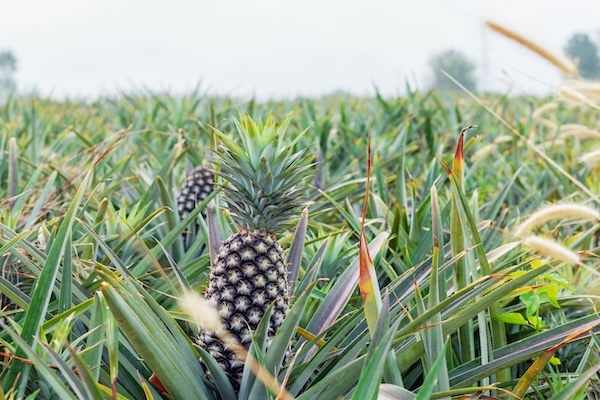
Thailand remains the largest global supplier of processed pineapple, but its industry is under significant strain. Production volumes have fallen sharply over the past decade, with averages from 2019–2024 down 42% compared to earlier periods. Rising labour costs, the need for frequent replanting, and reliance on smallholder farmers have made the business model increasingly unsustainable, leading to steady cannery closures and consolidation. Indonesia, while smaller, shows resilience: despite weather-related setbacks early in 2025, supply has improved since mid-year, stabilising at 570,000 MT. Kenya contributes modestly with MD2 varieties, maintaining consistent yields between 100,000–130,000 MT. The Philippines stands out as a strong, brand-driven market, with DOLE and DEL MONTE anchoring production of around 1 million MT and serving premium segments globally. Weather remains a critical factor, with La Niña conditions expected to persist into early 2026, shaping supply dynamics and influencing price trends across all producing regions.